


AI is changing website design & SEO for Phoenix business websites. Businesses around Phoenix are now using smart web tools to make their websites more personal and easy to use. These new designs use artificial intelligence to help visitors find what they need faster, see products in new ways, and have a better experience no matter what device they use. This article takes a look at how AI and other new tech are shaping websites in Phoenix, making them more helpful, more fun, and better for everyone.
Key Takeaways
-
AI website design for businesses based in Phoenix helps websites adjust to each visitor, making browsing feel more personal.
-
Adding AR and VR features lets people see products and services in a more interactive way, which builds trust and interest.
-
Mobile-friendly design is now a must, with websites needing to work well on phones and tablets.
-
Simple and easy-to-use layouts, along with small animations, keep visitors interested and make sites more enjoyable.
-
Showing data in clear, interactive ways helps people connect with information and makes websites feel more human.
Leveraging Artificial Intelligence in Phoenix Web Design
It’s pretty wild how much AI is changing things, and website design is no exception. For businesses here in Phoenix, using smart tech isn't just a nice-to-have anymore; it's becoming a real game-changer for connecting with people online. We're talking about making websites that feel like they were built just for you, the visitor.
AI-Powered Personalization for Enhanced User Engagement
Think about a website that actually gets you. AI makes this possible by looking at how you use a site – what you click on, what you look at, even what you've bought before. Then, it tweaks things on the fly. Maybe it shows you different products, rearranges the layout a bit, or highlights articles it thinks you'll like. This kind of tailored experience keeps people interested and makes them want to stick around longer. It’s like having a helpful assistant who knows your preferences without you having to say a word.
The Role of AI in Optimizing User Journeys
AI can also map out the best paths for visitors to take on your website. It analyzes common user flows and spots where people might be getting stuck or dropping off. By understanding these patterns, AI can help guide users more smoothly towards their goals, whether that's finding information or making a purchase. It’s about removing those little roadblocks that can cause frustration.
Driving Conversions with Intelligent Website Adaptation
When a website adapts intelligently, it's more likely to lead to action. AI can identify the best times and ways to present offers or calls to action based on user behavior. For instance, if someone is browsing a specific product category, AI might present a relevant discount or a helpful guide at just the right moment. This smart adaptation helps turn curious visitors into paying customers.
AI is moving beyond just being a tool for developers; it's becoming a core part of how websites interact with people, making the online world feel more intuitive and responsive to individual needs.
Immersive and Interactive User Experiences
Augmented Reality and Virtual Reality Integration
Remember when AR and VR felt like something out of a sci-fi movie? Well, they're not just for games anymore. For businesses, these technologies are becoming real tools to connect with customers. Think about trying on clothes without leaving your couch or seeing how a new sofa looks in your living room before you buy it. That’s the power of augmented reality.
While full virtual reality might still be a bit off for everyday websites, AR is already here. It lets people interact with products in a new way, right from their phones. This makes the whole shopping experience feel more real and helps people feel more confident about their choices. It’s about making the online world feel a little more like the real one.
Creating Deeper Brand Connections with Immersive Tech
Beyond just showing off products, immersive tech can really make a brand stand out. Imagine a museum website where you can virtually walk through exhibits, or a travel site that lets you get a feel for a destination before you book. These experiences stick with people. They create a memorable connection that goes beyond just looking at pictures.
It’s about telling a story and letting people experience it. When a website can do that, it builds a stronger relationship between the brand and the visitor. It’s not just about selling something; it’s about creating an experience that people want to share.
Enhancing Product Visualization Through AR
Let's talk about products. For online stores, especially those selling physical items like furniture, clothing, or electronics, seeing is believing. AR changes the game for product visualization. Instead of just looking at photos or videos, customers can use their phone cameras to see exactly how a product would look in their own space.
Here’s a quick look at how AR helps:
-
Try Before You Buy: Customers can virtually place furniture in their room or try on clothes.
-
Reduced Returns: Seeing a product in context can lead to fewer returns because customers have a better idea of what they're getting.
-
Increased Confidence: This hands-on virtual experience boosts buyer confidence and can speed up purchase decisions.
-
Unique Shopping Experience: It offers something different from traditional online shopping, making the experience more engaging.
When you can let someone see a product in their own environment, it removes a lot of the guesswork. This makes the online shopping journey much smoother and more satisfying for the customer, which is what we're all aiming for.
Prioritizing Mobile and Accessibility in Web Design
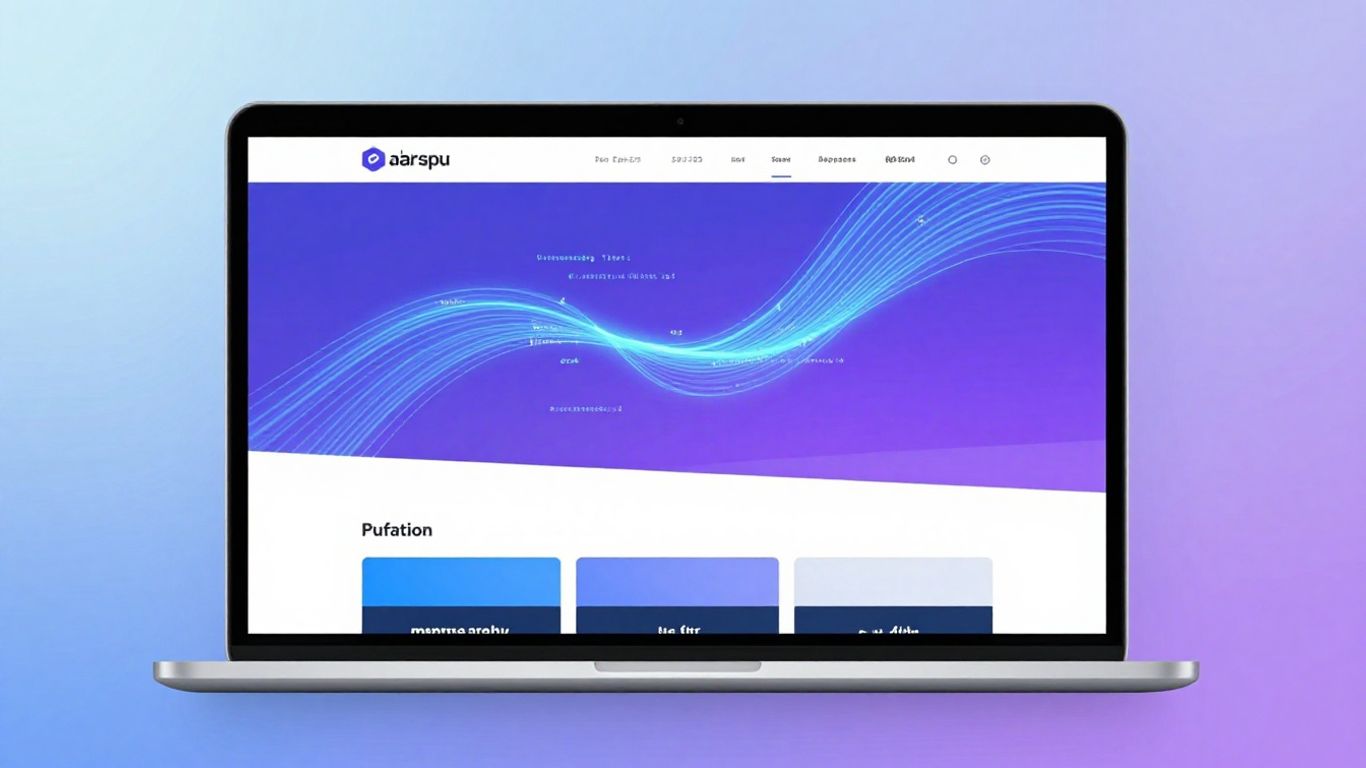
These days, most people check websites on their phones first. It’s just how it is. If your site isn't built with mobile users in mind, you're basically missing out on a huge chunk of potential visitors. Google even pays attention to the mobile version of your site more than the desktop one for ranking, so it’s not just about user preference anymore; it’s about being found.
Mobile-First Indexing and Optimization Strategies
This means we have to think about the small screen from the very start. It’s not an afterthought. We’re talking about making sure text is readable without zooming, buttons are easy to tap, and pages load super fast, even on a weaker signal. Slow loading times are a big turn-off, and people will just leave. We need to make sure your site works well on all sorts of phones and tablets, not just one or two.
Ensuring Seamless User Experience Across Devices
Think about it: someone might start browsing on their phone during their commute, then switch to their laptop when they get home. Your website needs to look and work great on both. This isn't just about making things look pretty; it's about making sure the user can easily find what they need and complete tasks, no matter what device they're using. A consistent experience builds trust and keeps people engaged.
Designing for Accessibility and Inclusivity
A website should be usable by everyone, period. This includes people with disabilities. We’re talking about things like making sure screen readers can understand your content, providing text alternatives for images, and making sure the whole site can be navigated using just a keyboard. It’s not just the right thing to do; it opens your business up to a wider audience and often leads to a better experience for all users. It’s about making sure no one is left out.
Here’s a quick rundown of what goes into accessible design:
-
Clear Navigation: Easy to find your way around.
-
Readable Text: Good contrast and font sizes.
-
Alt Text for Images: Descriptions for those who can't see them.
-
Keyboard Navigation: Ability to use the site without a mouse.
-
Captions for Videos: For those who are deaf or hard of hearing.
Building a website that works well on mobile and is accessible to everyone isn't just a technical requirement; it's a smart business move. It shows you care about your customers and makes your site more effective for more people.
The Evolution of User Experience and Design Systems

The Continued Importance of Intuitive User Experience
User experience, or UX, has always been a big deal in web design, and honestly, it's only getting more important. Think about it: if a website is confusing or just plain annoying to use, people don't stick around. They leave, and they probably don't come back. For any business, especially those in a competitive market like Phoenix, making sure your website is easy to figure out and pleasant to use is key. It’s not just about looking good; it’s about making it simple for visitors to find what they need and do what they came to do. This focus on making things straightforward has a long history, going back to early ideas about making work easier for people. Early UX principles still guide us today.
Micro-interactions and Animations for Delightful Browsing
Beyond the big picture of usability, the little details really make a difference. These are the micro-interactions – those tiny animations and visual cues that happen when you hover over a button, load a page, or click on something. They might seem small, but they add a layer of polish and responsiveness that makes a website feel alive and engaging. It’s like the difference between a static picture and a short, smooth animation. These little touches can make a site feel more interactive and frankly, more fun to use. They help guide the user and provide feedback, making the whole experience feel more natural.
Design Systems for Consistency and Scalability
As websites get bigger and more complicated, keeping everything looking and working the same way becomes a challenge. That's where design systems come in. A design system is basically a collection of reusable parts and rules that designers and developers follow. It’s like a style guide and a toolkit all rolled into one. Using a design system means that every part of the website, from buttons to forms to navigation, looks and behaves consistently. This not only makes the site look more professional but also makes it much easier to update and add new features down the line. It’s a smart way to manage complexity and keep things organized as your online presence grows.
To take the burden off businesses having to keep up with their own site edits, CitrusKiwi offers every client 12 hours of their time for FREE every year. Have a new page you want added? How about some new photos or a video? Even a full site makeover. ALL FREE!
Data Visualization and Human Connection in Web Design
Engaging Audiences with Data Visualization
Numbers and stats can be pretty dry, right? But they don't have to be. When you present data in a visual way, it becomes way easier for people to get what you're talking about. Think charts, graphs, and infographics – these tools turn complex information into something digestible. It's about making data speak a language everyone understands. For instance, imagine a local Phoenix business showing its growth over the last year with a simple, clean line graph instead of a dense table. It just clicks better.
Here's a quick look at how different visuals can help:
-
Bar Charts: Great for comparing different categories.
-
Pie Charts: Useful for showing parts of a whole.
-
Line Graphs: Perfect for tracking trends over time.
-
Infographics: Combine visuals, text, and data for a compelling story.
Storytelling Through Interactive Data
Beyond just showing data, you can actually tell a story with it. Interactive elements let users explore the data themselves, which is way more engaging than just looking at a static image. Maybe a user can hover over a point on a map to see local sales figures, or click on a year to see how a product's popularity changed. This kind of interaction keeps people on your site longer and helps them connect with the information on a deeper level. It makes the data feel alive.
When designing, always ask yourself: 'How can this data help my visitor understand something important?' The answer often lies in making it interactive and easy to explore.
Balancing Automation with Genuine Human Interaction
We're all about smart tech, but let's be real, people still want to connect with other people. Even with all the AI and automation we can build into a website, there needs to be a human touch. This means making sure your website feels like your brand, not just a generic template. It's about showing personality. Maybe it's through a friendly 'About Us' page with real photos, or clear contact information that makes it easy to reach a person, not just a chatbot. Finding that balance between efficient, automated processes and authentic human connection is key to building trust.
Phoenix AI Website Design: A Strategic Approach
Partnering with Expert Phoenix Web Developers
Building a website that truly works for your business in today's fast-paced digital world means more than just a pretty design. It's about having a smart plan. When you work with an expert Phoenix web developer, you get someone who understands the local market and the latest tech. They can help you figure out what AI tools will actually make a difference for your site, not just what's trendy. It’s about making your website work harder for you.
Navigating the Evolving Digital Landscape
The internet changes all the time, and what worked last year might not be the best approach now. Think about how people search for things – it's not just typing anymore, right? Voice search is a big deal, and so is making sure your site looks good and works well on phones. Plus, with AI getting smarter, websites can do more to give people what they want before they even ask. It can feel like a lot to keep up with, but that's where good developers come in. They keep an eye on these changes so you don't have to.
Creating a Website for Business Growth
Ultimately, a website needs to help your business grow. That means attracting the right people, keeping them interested, and turning them into customers. Using AI can help with this by showing visitors what they're most likely to be interested in. It's also important that everyone can use your site, no matter how they access it or if they have any disabilities. A well-planned website, built with smart tools and a focus on the user, is a solid investment for any Phoenix business looking to succeed online.
Here's a look at how a strategic approach can shape your online presence:
-
Discovery Phase: We start by really getting to know your business goals and who you're trying to reach. This is the groundwork for everything else.
-
Design and Development: Our teams work together to create a site that's easy to use and built to last, fitting your specific needs.
-
Testing and Refinement: We check everything thoroughly to make sure it works perfectly on all devices and is secure.
-
Launch and Beyond: We get your site live and make sure it keeps performing well with 12 hours of FREE updates every year!
A website is more than just an online brochure; it's a dynamic tool that should adapt and grow with your business. Focusing on user needs and smart technology is key to making that happen.
Wrapping It Up
So, that's the rundown on how smart tech is changing the game for Phoenix Business owners and their websites. It’s not just about making things look pretty anymore; it’s about making them work better for everyone who visits. From websites that learn what you like to ones that you can talk to, the future is all about making things easier and more personal.
Keeping up with these changes might seem like a lot, but it’s how businesses stay relevant. Working with folks who know this stuff can really make a difference in getting your website to do what you need it to do. It’s about building online spaces that people actually want to spend time in, and that help your business grow. This is why it's now more difficult for DIYers to compete effectively against professional web designers who do it day-in and day out. Which is why CitrusKiw tailored its web design packages to make professional website design and SEO affordable.
A Final Word of Warning
Like any new, evolving technology, AI is a solution that isn't a silver bullet for all website design or website redesign projects. It's important to approach AI integration with a clear understanding of its capabilities and limitations, ensuring it complements rather than replaces fundamental design principles and human oversight. AI is not a "hit 1 button and it's done perfectly" solution. Instead, think of it as a powerful assistant that can augment the creative process, automate repetitive tasks, and provide data-driven insights to inform design decisions.
The true magic happens when AI tools are wielded by skilled website developers who understand how to leverage them effectively to enhance user experience and achieve business objectives; designers who understand how to leverage them effectively to enhance user experience and achieve business objectives.